Book Appointment


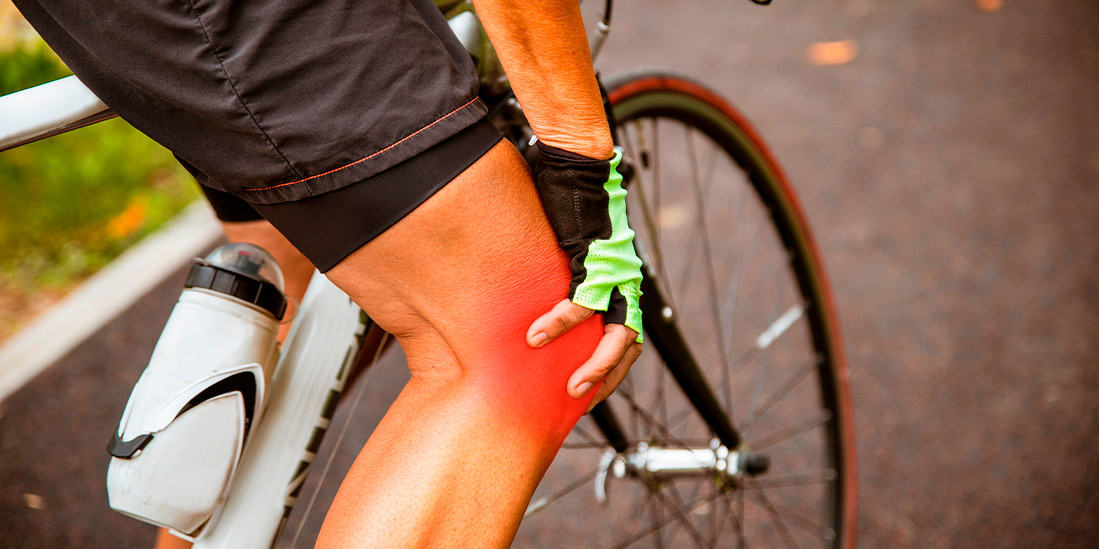
For millions of cycling enthusiasts, the freedom of the open road comes with an unwelcome companion: joint pain. From weekend warriors to professional racers, chronic joint discomfort affects cyclists of all levels, with studies suggesting that up to 85% of riders experience some form of pain during their cycling career. This widespread issue often forces riders to reduce training volume, skip rides, or in severe cases, abandon the sport entirely.
The biomechanics of cycling make certain joints particularly vulnerable. While cycling is generally considered a low-impact exercise, the repetitive nature of pedaling, often involving thousands of revolutions per ride, creates significant stress on specific areas:
- Knees: The most affected area, with patellofemoral pain syndrome (often called “Cyclist’s Knee”) being particularly prevalent. This condition involves irritation and swelling on the underside of the kneecap, similar to runner’s knee.
- Hips: Hip impingement, bursitis, and IT band syndrome frequently plague cyclists due to limited range of motion and repetitive stress, leading to cyclists’ hip pain.
- Lower back: Extended periods in a forward-leaning position can lead to chronic back pain and reduced core stability.
The impact of these conditions extends beyond physical discomfort. Chronic joint pain significantly reduces power output and endurance, limiting training consistency and race performance. Perhaps more devastating is how pain transforms what should be an enjoyable activity into an exercise in suffering, robbing cyclists of the mental health benefits and joy that initially drew them to the sport.
Common Causes of Cyclist Knee and Hip Pain
Cyclists need to understand the root causes of knee and hip pain to stay injury-free and maintain peak performance. Whether you’re a recreational rider or a competitive athlete, the following factors commonly contribute to joint discomfort and should be addressed proactively.
- Overuse Injuries and Repetitive Motion: Cycling involves thousands of pedal revolutions during a single ride, creating repetitive stress on the knee and hip joints. This constant motion can lead to conditions like Chondromalacia patellae (Runner’s Knee), where the cartilage on the underside of the kneecap softens and breaks down, causing pain and inflammation. For dedicated cyclists, these overuse injuries often develop gradually as tissues become irritated from excessive training volume without adequate recovery.
- Improper Bike Fit or Posture: Even minor misalignments in your bike setup can create significant stress on your joints. Saddle height that’s too high or low, incorrect fore/aft position, improper cleat alignment, or handlebars at the wrong height can all alter biomechanics and increase pressure on knee and hip structures. These mechanical issues are among the most common yet correctable causes of cycling-related joint pain.
- Muscle Imbalances and Weaknesses: Cycling predominantly develops certain muscle groups while neglecting others, creating imbalances that affect joint stability. Weak glutes, tight hip flexors, or underdeveloped stabilizing muscles can lead to altered movement patterns that place excessive stress on the knees and hips. These neuro-musculoskeletal imbalances often require targeted interventions beyond simply adjusting riding habits.
- Previous Injuries or Underlying Conditions: Pre-existing conditions like arthritis, previous ACL injuries, torn cartilage, or tendinitis can be aggravated by cycling’s repetitive motion. A quarter of American adults already suffer from knee pain from various causes, making them more susceptible to cycling-related discomfort. Additionally, bone structure variations or leg length discrepancies can create biomechanical challenges that manifest as joint pain during cycling.
From Pain to Performance: 5 Game-Changing Innovations for Cyclists

Advancements in sports medicine, technology, and training science have opened new doors for pain relief and performance enhancement. The following five breakthroughs represent the cutting edge of how cyclists can prevent, manage, and recover from joint pain, transforming both rehabilitation outcomes and long-term riding potential. Integrating these evidence-based solutions into your training and recovery routine can make all the difference.
Breakthrough #1: Advanced Bike Fitting Techniques
Proper bike fitting is no longer a simple sizing session. It’s now a sophisticated, science-backed process that plays a fundamental role in preventing and relieving joint pain in cyclists. Here’s how modern techniques make a measurable difference:
- Personalized Biomechanical Alignment Reduces Stress on Joints
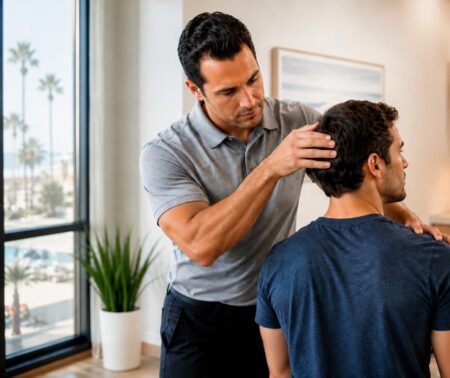
A professional bike fit optimizes the connection between rider and bike, much like how chiropractic care realigns the body to relieve pain. Custom adjustments in saddle height, handlebar reach, and cleat positioning help reduce repetitive strain on the knees and hips by improving mechanical efficiency. - High-Tech Tools Enhance Precision and Diagnosis
New technology has made bike fitting more effective than ever:- 3D motion capture analyzes your pedal stroke in real time, uncovering inefficiencies invisible to the naked eye.
- Pressure mapping systems show how your weight is distributed across the saddle, which is critical for avoiding soft tissue compression and cyclist hip pain.
- Dynamic fit platforms allow real-time adjustments while you’re pedaling, helping fitters monitor how subtle changes affect joint angles and muscle engagement.
Breakthrough #2: Regenerative Medicine for Joint Health
While proper bike fitting addresses mechanical factors, regenerative therapies offer cyclists a powerful alternative to symptom-masking treatments by promoting tissue healing at the cellular level. These cutting-edge therapies harness the body’s natural healing mechanisms to repair damaged tissues.
- PRP Therapy Accelerates Tissue Repair
Platelet-Rich Plasma (PRP) therapy involves injecting concentrated platelets into damaged joints to stimulate collagen production and healing. It’s especially effective for conditions like patellar tendinopathy and hip bursitis. - Stem Cell Therapy Supports Joint Regeneration
This treatment uses stem cells harvested from the patient’s own body to promote cellular repair. It holds great potential for cyclists with osteoarthritis or cartilage damage in the knees and hips. - Clinical Results Show Faster Recovery
A 2020 study found that 73% of endurance athletes receiving PRP returned to pre-injury performance within three months, nearly double the success rate of traditional treatments. - Regenerative Therapies Offer a Long-Term Solution
Like PEMF therapy, which improves oxygen uptake by up to 200%, regenerative medicine targets the root biological causes of joint pain rather than offering temporary relief. When combined with physical therapy, these approaches often lead to more sustainable outcomes than medications or injections alone.
Breakthrough #3: Targeted Physical Therapy and Strength Training
- Comprehensive Assessment and Customized Programming
Physiotherapists specialized in sports medicine play a crucial role in developing cyclist-specific rehabilitation programs. These experts conduct thorough functional movement assessments to identify biomechanical inefficiencies, muscle imbalances, and movement patterns that contribute to joint pain. By analyzing a cyclist’s pedaling mechanics and off-bike movement patterns, they can create tailored intervention plans that address the root causes of discomfort rather than just treating symptoms. - Key Strengthening Exercises for Cyclists
Effective physical therapy for cyclists focuses on strengthening the supporting muscles that stabilize the knees and hips during the pedaling motion. These programs typically include:- Glute activation exercises to reduce stress on the knees and improve power transfer
- Core strengthening to enhance stability and proper posture on the bike
- Quadriceps and hamstring balancing exercises to improve knee tracking
- Hip external rotator strengthening to correct common alignment issues
- Mobility and Flexibility Work
Targeted stretching and mobility exercises complement strength training by addressing the limited range of motion that often develops in cyclists. Functional movement therapy helps loosen stiff joints and muscles, leading to improved flexibility and reduced compensatory patterns that contribute to cyclist joint pain. Techniques may include Active Release Technique (ART), myofascial release, and specialized stretching protocols for chronically tight areas like hip flexors and IT bands. - Progressive Training for Long-Term Relief
Preventing recurrence requires a systematic approach to training that gradually builds resilience in previously painful joints. Physical therapists design progressive programs that evolve as the cyclist improves, focusing on personalized movement retraining to fix movement errors and build long-term stability. This approach helps cyclists develop better movement patterns both on and off the bike, creating lasting protection against future pain episodes while improving overall performance.
Breakthrough #4: Innovative Pain Management Approaches

For cyclists battling chronic joint pain, traditional pain medications often provide only temporary relief while potentially masking underlying issues. Fortunately, several innovative, non-invasive therapies now offer effective alternatives that address the root causes of cycling-related joint pain without significant downtime.
- Extracorporeal Shock Wave Therapy (ESWT) has emerged as a game-changer for cyclists with persistent knee and hip pain. This non-invasive treatment directs high-energy acoustic waves to injured tissues, stimulating the body’s natural healing processes at the cellular level. For cyclists experiencing tendinopathies or patellofemoral pain syndrome, ESWT sessions can significantly reduce inflammation, promote tissue regeneration, and improve blood flow to damaged areas. Most importantly, the therapy doesn’t require extended periods off the bike, many cyclists report continuing modified training throughout their treatment schedule.
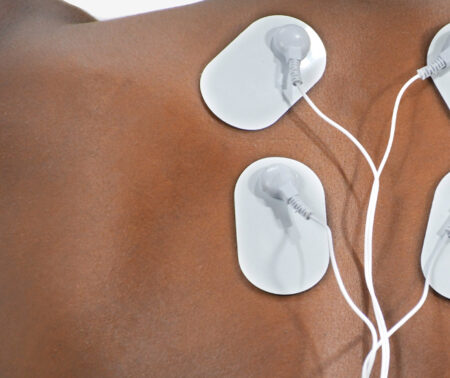
- Pulsed Electromagnetic Field (PEMF) therapy offers another cutting-edge option, particularly effective for deep-seated joint issues. This technology delivers magnetic energy waves to depleted cells in affected areas, making them stronger and healthier while accelerating recovery. Studies show PEMF therapy can reduce inflammation, alleviate chronic pain, and improve joint function, benefits that directly translate to better performance on the bike.
- Guided corticosteroid or hyaluronic acid injections may provide relief when non-invasive approaches aren’t sufficient. These treatments deliver anti-inflammatory or lubricating substances directly to affected joints, offering precise pain management with minimal recovery time.
Strategic integration of these therapies with training cycles maximizes their effectiveness. Many sports medicine specialists recommend scheduling treatments during recovery weeks or immediately following high-intensity training blocks. This approach allows cyclists to address emerging joint issues before they become debilitating while maintaining consistent training. For optimal results, treatments should be coordinated with your training periodization, typically with sessions spaced 5-7 days apart for conditions like cyclist’s knee or hip impingement.
Breakthrough #5: Nutrition and Recovery Strategies for Joint Health
Beyond mechanical adjustments and medical interventions, what cyclists eat and how they recover play a crucial role in joint health. The following evidence-based strategies can significantly reduce cyclist pain:
- Anti-Inflammatory Diet Protocols
Adopting an anti-inflammatory eating pattern reduces joint pain at its source. Focus on incorporating omega-3-rich fatty fish (salmon, mackerel), colorful berries, cruciferous vegetables, and turmeric into your regular meals. Reducing processed foods, refined sugars, and excessive red meat can lower inflammatory markers by up to 30% in athletes with joint pain. For optimal results, time nutrient-dense meals within 30 minutes after challenging rides when your body’s anti-inflammatory response is most critical.
- Targeted Joint-Supporting Supplements
Specific supplements can enhance joint function for cyclists when used strategically. Clinically effective options include:
- Glucosamine/chondroitin (1500mg/1200mg daily) for cartilage support
- MSM (3-6g daily) for reduced joint inflammation
- Collagen peptides (10-15g daily) for improved tissue strength
- Tart cherry extract for reduced post-exercise pain
These natural alternatives provide relief without the gastrointestinal side effects common with NSAIDs that many cyclists rely on.
- Recovery Protocols and Periodization
Quality sleep (7-9 hours nightly) is non-negotiable for joint repair, as growth hormone production peaks during deep sleep phases. Integrate active recovery techniques like PEMF therapy, which increases cellular oxygen uptake by up to 200% and accelerates tissue healing. Structure training with proper periodization, including dedicated deload weeks every 4-6 weeks of intense riding, to allow joints to adapt and strengthen. Elite sports medicine specialists emphasize that strategic recovery is as important as the training itself for maintaining joint health throughout a cycling season.
If you are a cyclist struggling with chronic joint pain, discover how Dr. Roy Nissim can help you pedal pain-free with breakthrough treatments tailored for cyclists. Our comprehensive approach combines traditional chiropractic care with cutting-edge therapies like Shockwave Therapy and Active Release Techniques to target and alleviate joint pain, enhance mobility, and accelerate recovery. Don’t let pain hold you back from your passion. Schedule an appointment with Dr. Roy Nissim today and start your journey towards a pain-free ride!