Book Appointment

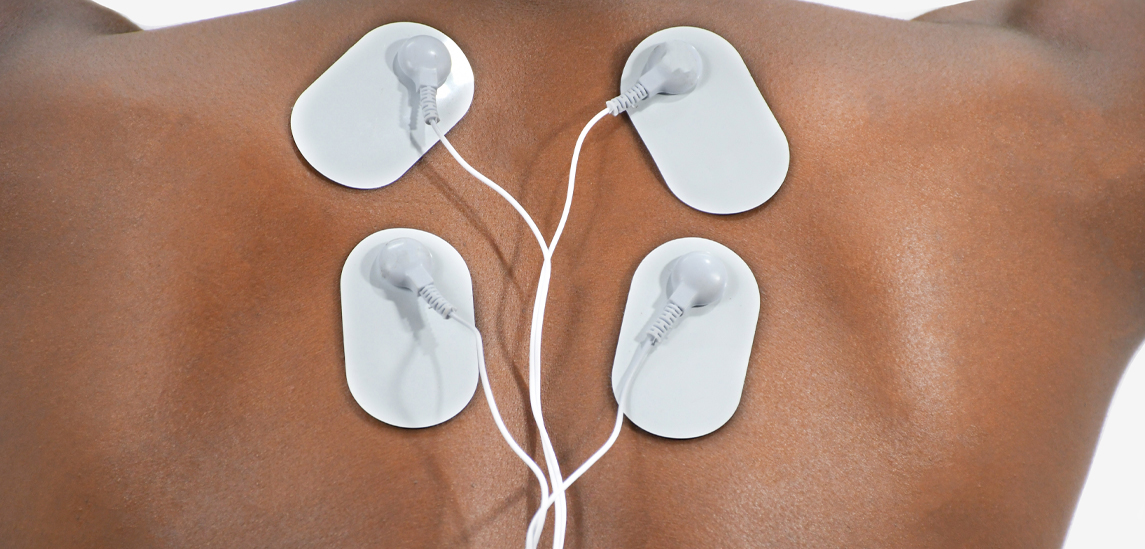
If you have searched for Neubie therapy, TENS, or EMS, you may wonder whether these electrical stimulation therapies are essentially the same. They are not.
All three use electrical currents delivered through electrodes placed on the skin, but they differ in their current intensity, stimulation targets, and clinical application in rehabilitation.
Understanding the difference can help you have a more informed conversation with a healthcare provider about the right approach for your pain, mobility, injury recovery, or performance goals.
At Dr. Roy Nissim Chiropractic & Sports Medicine Center, Neubie therapy in Santa Monica is used as part of a broader, individualized approach that can include chiropractic care, Active Release Technique, functional movement, therapeutic exercise, and other therapies.
What Is the Difference Between Neubie, TENS, and EMS?
The simplest way to distinguish these therapies is to ask three questions:
- What type of electrical stimulation is being delivered?
- What does the stimulation target?
- What is the treatment designed to accomplish?
TENS is primarily associated with pain modulation through stimulation of sensory nerves.
EMS/NMES is designed to stimulate motor nerves and produce muscle contractions.
Neubie therapy uses a pulsed direct-current waveform and is designed for applications including neuromuscular re-education, maintaining or increasing range of motion, increasing local blood circulation, preventing or reducing disuse atrophy, reducing muscle spasm, and managing certain types of pain.
The important distinction is that electrical stimulation is not a single type of treatment. Different devices and protocols can produce different physiological responses.
TENS: Electrical Stimulation for Pain Relief

TENS, or transcutaneous electrical nerve stimulation, is a noninvasive therapy commonly used for pain management.
A TENS unit delivers low-voltage electrical impulses through electrodes placed on or near the painful area. The stimulation primarily targets sensory nerves and can alter how the nervous system perceives pain.
According to the Cleveland Clinic, TENS may be used for conditions such as back pain, osteoarthritis, tendinitis, bursitis, and other acute or chronic pain.
What Does TENS Feel Like?
Most people describe TENS as a tingling, buzzing, or prickling sensation. The intensity should generally be adjusted to a strong but comfortable level.
EMS and NMES: Electrical Stimulation for Muscle Activation
EMS, or electrical muscle stimulation, uses electrical impulses to stimulate motor nerves and produce muscle contractions. In rehabilitation settings, you may also hear the term NMES, or neuromuscular electrical stimulation.
Unlike TENS, which primarily targets sensory nerves, EMS/NMES is intended to create an actual muscle contraction.
The FDA describes powered muscle stimulators as devices used in rehabilitation for purposes that can include muscle re-education, maintaining or increasing range of motion, preventing or reducing disuse atrophy, and increasing local blood circulation.
When Is EMS or NMES Used?
EMS/NMES may be incorporated into rehabilitation when a person has difficulty voluntarily activating or loading a muscle.
For example, neuromuscular electrical stimulation has been studied in rehabilitation following conditions such as:
- Knee surgery
- ACL reconstruction
- Stroke
- Muscle weakness
- Certain neurological conditions
- Periods of immobilization
Research supports potential benefits in specific rehabilitation populations, although results depend on the condition, treatment protocol, and how stimulation is combined with other rehabilitation strategies.
What Does EMS Feel Like?
EMS usually feels different from TENS because the goal is to produce a muscle contraction. Patients may experience a strong tightening, pulling, or contracting sensation as the stimulation activates the muscle.
What Is Neubie Therapy?

Neubie stands for Neuro-Bio-Electric. It is a neuromuscular electrical stimulation technology that uses a pulsed direct-current waveform.
At Dr. Roy Nissim Chiropractic & Sports Medicine Center, Neubie therapy in Santa Monica is incorporated into personalized treatment programs for people dealing with pain, movement limitations, injuries, and performance-related goals.
Explore Neubie Therapy in Santa Monica
The technology is different from conventional TENS and many traditional EMS devices, but the most important difference for patients is not simply the type of current. It is how the stimulation is applied and combined with movement and clinical assessment.
How Neubie Therapy Is Used
A Neubie session may involve stimulation while the patient performs controlled movements or exercises. This allows the clinician to incorporate electrical stimulation into an active rehabilitation strategy rather than treating the patient as a completely passive participant.
Dr. Roy’s approach can combine Neubie therapy with other techniques based on the patient’s needs, including:
- Chiropractic care
- Active Release Technique (ART)
- Functional Movement / SFMA
- Therapeutic exercise
- Soft tissue techniques
- Shockwave therapy
- Sports chiropractic care
- Knee Pain
This multimodal approach is important because electrical stimulation is generally best viewed as one component of a larger rehabilitation strategy, rather than a standalone solution.
Neubie vs. TENS vs. EMS: Side-by-Side Comparison
| Feature | TENS | EMS / NMES | Neubie |
|---|---|---|---|
| Primary target | Sensory nerves | Motor nerves and muscles | Neuromuscular system |
| Typical goal | Pain modulation | Muscle activation and re-education | Neuromuscular re-education and active rehabilitation |
| Muscle contraction | Usually no | Yes | Can be incorporated with active movement |
| Common sensation | Tingling or buzzing | Muscle tightening or contraction | Adjustable electrical sensation with active movement |
| Typical setting | Home or clinical | Clinical rehabilitation or fitness | Clinician-guided rehabilitation |
| Active movement | Not usually required | May be incorporated | Commonly incorporated into treatment |
| Primary focus | Pain management | Muscle activation | Movement, neuromuscular control, and rehabilitation |
The categories can overlap, but they should not be treated as interchangeable.
Neubie vs. TENS: Which Is Better for Pain?
One of the most common questions is “Is Neubie better than TENS for pain?”
There is no universal answer.
TENS is specifically designed as a noninvasive pain-relief modality. Research and clinical use support its role in modifying pain perception, although results vary between individuals and conditions.
Neubie therapy is used differently. Instead of focusing solely on changing the perception of pain, a clinician may incorporate stimulation into movement and neuromuscular rehabilitation.
That distinction can matter when pain is accompanied by:
- Limited range of motion
- Muscle inhibition
- Movement compensation
- Difficulty activating a muscle
- Sports-related performance limitations
- Recovery following an injury
Rather than choosing between technologies based solely on the device, the better question is:
What is contributing to the problem, and what does your body need to improve function?
That is where a professional evaluation becomes important.
Neubie vs. EMS: What’s the Difference?

Neubie and EMS can both involve neuromuscular electrical stimulation, so the distinction can be confusing.
Traditional EMS/NMES is generally focused on producing muscle contractions by stimulating motor nerves. It has established applications in rehabilitation, including muscle re-education and addressing weakness in certain clinical populations.
Neubie uses a different electrical waveform and is designed to be incorporated into a broader neuromuscular treatment approach.
The practical question is not simply whether one device is stronger. It is how the stimulation is being used, what the clinician is trying to accomplish, and whether the treatment is appropriate for your specific condition.
What Can Neubie Therapy Be Used For?
Neubie therapy may be considered as part of a treatment plan for people experiencing certain:
- Muscle activation problems
- Movement limitations
- Sports injuries
- Musculoskeletal pain
- Muscle weakness
- Recovery following injury or surgery
- Performance-related movement limitations
The appropriate application depends on your symptoms, medical history, physical findings, and treatment goals.
For example, someone experiencing persistent back pain may need a very different treatment strategy from someone recovering from a sports injury or dealing with sciatica.
This is why Neubie should not be viewed as a one-size-fits-all treatment.
What Happens During a Neubie Therapy Session?
A Neubie session can vary depending on the patient’s condition and goals.
At Dr. Roy Nissim’s Santa Monica practice, treatment may begin with an assessment of movement, symptoms, and areas of dysfunction. Electrical stimulation can then be incorporated into targeted movements or exercises.
A session may involve:
1. Evaluation
Your symptoms, movement limitations, injury history, and goals are considered before treatment.
2. Targeted stimulation
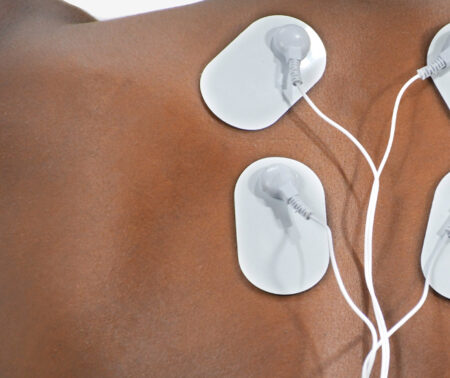
Electrodes are placed in specific areas based on the treatment strategy.
3. Active movement
You may perform controlled movements or exercises while the stimulation is applied.
4. Functional rehabilitation
Neubie therapy can be combined with other techniques, such as chiropractic adjustments, ART, soft tissue work, and corrective exercise.
The objective is to make the treatment relevant to how you actually move—not simply to deliver electrical stimulation.
Does Neubie Therapy Hurt?
Patients can experience a noticeable electrical sensation during Neubie treatment. The intensity is adjustable and should be communicated to the clinician throughout the session.
The experience can vary depending on the individual, treatment area, stimulation settings, and movement being performed.
If you are uncomfortable or experience pain during treatment, tell your provider so the stimulation and treatment approach can be adjusted appropriately.
How Many Neubie Sessions Will I Need?

There is no standard number of Neubie sessions that applies to everyone.
Your treatment plan may depend on:
- The type and severity of your condition
- How long have you been experiencing symptoms
- Your mobility and strength
- Whether you are recovering from an injury or surgery
- Your activity level
- How your body responds to treatment
- What other therapies are included in your rehabilitation plan
Rather than promising a specific number of sessions, a qualified provider should reassess your progress and adjust the plan according to your response.
Is Neubie Therapy Right for You?
Neubie may be worth discussing with a qualified healthcare professional if you are looking for a treatment option that can be incorporated into an active rehabilitation program.
It may be particularly relevant if you are dealing with pain alongside movement restrictions, muscle activation problems, injury recovery, or performance goals.
However, electrical stimulation is not appropriate for everyone.
Before using electrical stimulation, discuss your medical history with your healthcare provider. Cleveland Clinic notes that TENS, for example, may not be appropriate for people with certain implanted electrical devices, pregnancy, cancer, epilepsy, heart conditions, or other medical concerns.
Your provider should determine whether electrical stimulation is appropriate for you based on your individual health history.
Neubie Therapy in Santa Monica With Dr. Roy Nissim
If you are looking for Neubie therapy in Santa Monica, Dr. Roy Nissim provides a personalized approach that goes beyond a single treatment modality.
Dr. Roy is a board-certified chiropractor and certified Active Release Techniques® practitioner who focuses on identifying movement and musculoskeletal problems and developing individualized treatment strategies. His Santa Monica practice combines chiropractic care with progressive therapies and rehabilitation techniques.
The Santa Monica office is located at 3304 Pico Blvd., Suite L, Santa Monica, CA 90405, and the practice serves patients throughout Santa Monica and the Westside: Thousand Oaks and Westlake. If pain, limited mobility, or an injury is keeping you from the activities you enjoy, an evaluation can help determine whether Neubie therapy—or another treatment approach—is appropriate for your goals.
Ready to find out whether Neubie therapy is right for you?
Schedule an appointment with Dr. Roy Nissim to discuss your symptoms, movement goals, and treatment options.
Do you need a home visit? Dr. Roy is a Concierge Chiropractor in Los Angeles.
Frequently Asked Questions About Neubie Therapy
Is Neubie the same as TENS?
No. TENS and Neubie use different electrical stimulation approaches and are generally used for different treatment purposes. TENS is primarily associated with pain modulation, while Neubie is used as part of a neuromuscular rehabilitation approach.
Is Neubie the same as EMS?
No. Although both can involve neuromuscular electrical stimulation, they use different approaches. EMS/NMES is commonly used to produce muscle contractions and support muscle activation. Neubie uses a pulsed direct-current waveform and may be incorporated with active movement and rehabilitation.
Is Neubie therapy good for pain?
Neubie may be incorporated into treatment plans for certain types of pain, but whether it is appropriate depends on the cause of the pain and the patient’s overall condition. A professional evaluation is the best way to determine whether Neubie is a suitable option.
Can Neubie help with muscle activation?
Neubie is used as part of neuromuscular re-education and can be incorporated with active movement. The appropriate application depends on the individual’s condition, muscle function, and rehabilitation goals.
Can I use Neubie instead of seeing a chiropractor?
Electrical stimulation should not replace a professional evaluation when you have persistent pain, weakness, restricted movement, or an injury. Neubie can be incorporated into a broader treatment plan when appropriate.
Where can I get Neubie therapy?
Dr. Roy Nissim Chiropractic & Sports Medicine Center offers Neubie therapy as part of its personalized approach to pain management, rehabilitation, and movement improvement. Patients can access Neubie therapy and other sports medicine services at the practice’s locations in Santa Monica, Thousand Oaks, and Westlake Village.
Each location provides access to individualized chiropractic and rehabilitation care, including Active Release Technique (ART), functional movement assessments, sports chiropractic care, corrective exercise, and other therapeutic approaches. Treatment is tailored to your symptoms, movement patterns, activity level, and recovery goals.
Whether you’re dealing with an injury, persistent pain, limited mobility, or a sports-related issue, Dr. Roy Nissim’s team can help determine whether Neubie therapy or another treatment approach is appropriate for you.
Explore Dr. Roy Nissim’s locations or learn more about Neubie therapy.