Book Appointment


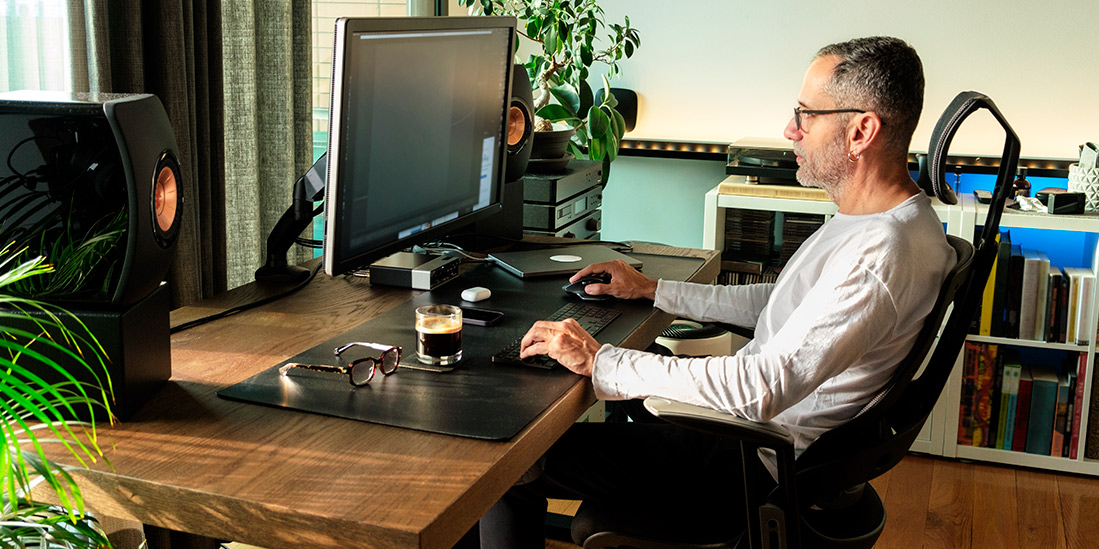
In Santa Monica, where tech startups and digital creatives thrive, hours spent at desks can quietly wreak havoc on employee health. Research shows that 40% of adults will suffer from lower back pain in their lives, and roughly 1 in 3 will deal with neck strain annually. They translate to reduced productivity, lower morale, and increased healthcare costs.
Office wellness, especially ergonomics, is a strategy for better performance and longevity at work. This guide offers actionable ergonomic solutions, provides helpful visuals, and highlights local experts like Dr. Roy Nissim, whose chiropractic and sports medicine services provide tailored support for office-related discomfort.
Understanding Ergonomics: The Foundation of Office Wellness

Before you rearrange your desk or purchase a new chair, understanding the principles of ergonomics is essential. Ergonomics is about designing workspaces that support human anatomy, not forcing bodies to adapt to poor environments. Poor ergonomics leads to musculoskeletal disorders that can lower productivity and harm wellbeing. According to data from the U.S. Bureau of Labor Statistics, strains, sprains, and tears rank as the most common work-related injuries.
What Makes a Workspace Ergonomic?
Implementing proper ergonomics can reduce musculoskeletal disorders, which affect 540+ million people globally. Ergonomics entails:
- Neutral postures: Your joints are naturally aligned with no slouching or craning
- Custom fit: Furniture and tools adapt to your body, not vice versa
- Dynamic movement: Periodic changes in posture are encouraged
- Task-focused layout: Frequently used items are easily accessible
Key Benefits
When ergonomic principles are properly applied in the workplace, they deliver measurable benefits for both employees and employers.
- Lower risk of repetitive strain injuries like carpal tunnel
- Decreased shoulder, neck, and lower back pain
- Improved focus, reduced fatigue, and elevated job satisfaction
- Reduction in insurance claims and medical leave
An Ergonomic Office
A well-designed office setup lays the foundation for productivity, posture, and long-term health. Before diving into tasks, create a workspace that supports your body’s natural alignment.
Section 1: Setting Up Your Office for Success
Let’s explore how to physically structure your workspace for maximum comfort and efficiency. Every workstation should start with proper chair and desk configuration.
Ergonomic Chair Setup
An ergonomic chair is your body’s best defense against spinal stress.
- Seat height: Feet flat, thighs parallel to the floor
- Seat depth: Leave a 2–3 finger gap behind your knees
- Lumbar support: Align with your lower back curve
- Armrests: Should support arms at 90° while typing
Poorly adjusted chairs are a leading cause of chronic back pain.
Desk & Monitor Setup
Incorrect monitor height and desk alignment are major causes of neck and eye strain.
- Monitor: Top edge at or slightly below eye level, about an arm’s length away
- Desk height: Elbows at 90° when typing
- Laptop users: Use a riser and external keyboard/mouse
Common Injury Locations at the Office
Understanding where office-related injuries most commonly occur can help you prioritize ergonomic interventions and prevent long-term strain.

Section 2: Workspace Layout: Minimize Strain Through Smart Design
Proper item placement reduces repetitive movements that strain joints and muscles. Use the “working zone” method to organize your space.
Ergonomic Working Zones
| Zone | Description | Examples |
| Inner Zone | Reachable without moving arms | Keyboard, mouse, notepad |
| Mid Zone | Requires arm extension | Files, calculator |
| Outer Zone | Used infrequently; may require standing | Printer, reference books |
Place often-used tools in your inner zone to avoid unnecessary twisting or reaching, which can lead to shoulder and wrist strain
Section 3: Move More: Dynamic Posture & Standing Desks
Even the most ergonomic setup is useless if you sit still all day. Prolonged static posture is linked to circulatory problems, spinal compression, and fatigue.
Benefits of Movement and Standing Desks

Alternating between sitting and standing boosts circulation and reduces musculoskeletal tension.
Standing Desk Guidelines
| Element | Recommendation |
| Desk height | Elbows at 90° in standing position |
| Anti-fatigue mat | Reduces joint pressure |
| Standing duration | Start with 15 mins/hour; build over time |
| Footwear | Supportive shoes to reduce foot pain |
Use a footrest to shift weight between legs. Introduce these changes gradually to avoid fatigue.
Break the Sedentary Cycle with Micro-Movements
According to Dr. Roy Nissim, consistent movement throughout the day prevents muscle tightness and joint stress.
Try These Hourly Stretch Breaks:
- Neck side bends: Reduce cervical tension
- Shoulder rolls: Loosen trapezius muscles
- Overhead reaches: Elongate spine and reduce compression
- Wrist circles: Prevent carpal tunnel strain
Dr. Nissim recommends the 20-20-20 rule: every 20 minutes, look 20 feet away for 20 seconds.
Productivity Boost with Ergonomics
This graph compares workplace productivity over six months in environments with and without ergonomic interventions. Companies that implemented ergonomic setups, such as adjustable chairs, proper monitor placement, and regular movement routines, saw consistent improvements in employee output. In contrast, workplaces that ignored ergonomic practices experienced stagnant or declining productivity.

Interpretation: Productivity increases steadily after ergonomic changes, while non-ergonomic environments show stagnation and decline. These findings support research from OSHA, which links ergonomics with improved efficiency and fewer workplace disruptions.
Section 4: Get Professional Help: When and Why to Consult Experts
Sometimes discomfort signals deeper biomechanical issues. Seeking a professional ergonomic assessment is necessary when discomfort persists despite adjustments, as it provides expert insight into underlying postural issues and personalized solutions that standard setups may overlook. Professionals will:
- Evaluate posture and muscular imbalances
- Suggest equipment and workstation modifications
- Offer therapeutic exercises and treatments for persistent pain
Dr. Roy Nissim Chiropractic & Sports Medicine Center

Located in Santa Monica, Dr. Roy Nissim offers specialized care for office workers struggling with poor posture, repetitive injuries, and chronic discomfort. The center offers the following:
| Service | Benefits |
| Posture Alignment Therapy | Corrects spinal issues and boosts mobility |
| Ergonomic Assessments | Workspace tailored to your body mechanics |
| Shockwave Therapy (ESWT) | Breaks up scar tissue, promotes circulation |
| PEMF Therapy | Encourages cellular repair and reduces inflammation |
| Chiropractic Adjustments | Align spine and relieve nerve impingement |
“We don’t just treat pain. We realign your body to prevent it.” Dr. Roy Nissim
Whether you’re dealing with wrist fatigue from typing or persistent lower back pain, personalized care can dramatically improve your daily experience and long-term health outcomes.
Build a Healthier Workday in Santa Monica
Your body wasn’t made to sit still for eight hours. Office wellness begins with your setup, but it’s sustained by good habits and expert guidance.
- Use neutral posture and customize equipment.
- Integrate regular movement and standing intervals.
- Consult professionals like Dr. Roy Nissim for long-term pain relief.
- Invest in your comfort now to avoid costly injuries later.
Don’t let discomfort sabotage your productivity or wellbeing. With the right tools, the right habits, and the support from experts like Dr Roy Nissim, your Santa Monica workspace can become a powerhouse of health and efficiency. Experience the transformative power of chiropractic care with Dr. Roy Nissim in Santa Monica.
Whether you’re struggling with posture issues, back pain, or sports injuries, Dr. Roy’s comprehensive approach combines traditional chiropractic techniques with cutting-edge therapies like shockwave and PEMF therapy. Our personalized treatment plans address your unique needs, helping you achieve optimal health and wellness. Don’t let pain hold you back any longer. Schedule your appointment today and take the first step toward a healthier, more productive life!