Book Appointment



Award season may look effortless from the outside, but anyone working in film knows the truth. It’s a six-month stretch of long production days, constant travel, late nights, and sustained physical and mental pressure as celebrities to prepare for the award season. For actors, directors, camera operators, producers, and crew, award season places unique demands on the body that can quietly erode performance if left unaddressed.
Sixteen-hour shoot days are common. Time zones blur during press tours. Rehearsals, fittings, and premieres compress recovery time. The physical consequences often show up as neck stiffness, low-back discomfort, hip tightness, headaches, and shoulder strain, issues that worsen as the season progresses. Add emotional stress and prolonged static postures, and even highly conditioned bodies begin to break down.
At this level, preparation matters. Film professionals aren’t casual participants; they’re high performers. Just like athletes or dancers preparing for a demanding season, the body needs intentional conditioning, maintenance, and recovery strategies tailored to the realities of award season.
Effective film body preparation focuses on five essential goals:
- Building physical endurance for long production days and event schedules
- Developing postural strength to protect joints and soft tissue during repetitive tasks
- Implementing recovery protocols that support consistency, not just short-term relief
- Maintaining nutrition and hydration that sustains energy and appearance
- Using preventative care to reduce injury risk and avoid illness during critical weeks
When the body is prepared, award season becomes manageable. When it’s not, small issues compound and often surface at the worst possible moment.
Physical Preparation for Endurance and Injury Prevention

Award season demands sustained output. The goal isn’t maximum intensity, it’s durability.
Train for balance, not burnout
A structured exercise routine should support strength, flexibility, and cardiovascular capacity without adding unnecessary fatigue. Many film professionals incorporate Reformer Pilates because it builds core stability, improves joint control, and enhances posture while remaining low impact. This approach reinforces movement patterns that translate directly to long hours on set.
Build stamina strategically
Think of award season as a marathon rather than a peak event. Conditioning should mirror that reality. Moderate, consistent cardiovascular training, similar to spring running preparation, helps the body tolerate extended workdays without draining recovery reserves. The objective is steady energy, not exhaustion.
Maintain mobility under load
Daily dynamic stretching and mobility work protect joints that remain in fixed or repetitive positions during filming. Functional movement therapy is particularly effective because it addresses how the body moves under real-world demands, such as camera operation, prolonged standing, or seated editing sessions. Personalized mobility programs help prevent compensation patterns that lead to pain.
Warm up and recover with intent
Ten to fifteen minutes of targeted warm-up sessions before shoots can reduce strain on vulnerable areas such as the neck, shoulders, and hips. Equally important is post-shoot recovery: mobility drills, tissue work, and manual therapy techniques help reset the nervous system and prevent cumulative stress injuries.
Posture, Equipment Load, and Stress Injury Prevention

Few professions require the combination of precision and physical strain found in film production. Poor posture or improper loading during award season doesn’t just cause discomfort; it can derail performance.
Optimize equipment ergonomics
Small adjustments make a measurable difference. Camera viewfinders should be positioned at eye level whenever possible to reduce cervical strain. When lifting equipment, follow the “close, low, slow” principle, keep loads near the body, hinge at the hips, and move deliberately.
Alternating between sitting and standing during long shoots reduces spinal compression and improves circulation, particularly during extended editing or monitoring sessions.
Strengthen the body’s support system
Postural endurance depends on more than awareness; it requires strength. Core training through Pilates or reformer work supports spinal stability and reduces fatigue during prolonged standing. Strengthening the posterior chain, glutes, hamstrings, and upper back, helps counteract forward-leaning positions common in filming.
Functional movement training further refines how the body absorbs and transfers load, correcting inefficient patterns before they become chronic problems.
Use protective tools wisely
Supportive footwear is non-negotiable on hard studio floors. Proper arch support and cushioning reduce fatigue and joint stress on the feet and ankles. For long handheld shoots, padded shoulder rigs and weight-distributing harnesses reduce asymmetrical loading on the shoulders and minimize pressure points.
In certain cases, lightweight back support may be appropriate during extended days, but it should complement, not replace, proper movement mechanics.
Schedule regular maintenance
Proactive care keeps small issues from escalating. Postural alignment therapy between major joints helps restore balance and mobility. Simple habits, hourly posture checks, counter-movements, and regular breaks can dramatically reduce cumulative strain.
Recovery, Sleep, and Nervous System Reset
Performance without recovery is unsustainable. During award season, recovery becomes a strategic priority.
Protect sleep quality
The body repairs itself during sleep. Seven to nine hours supports tissue recovery, immune function, and mental clarity. Travel complicates this, but consistency matters; maintaining regular sleep times, limiting screen exposure before bed, and optimizing sleeping posture all reduce recovery debt.
Manage stress before it compounds
Award season pressure triggers physiological stress responses that tighten muscles, disrupt digestion, and impair sleep. Certain techniques can be used without medication to help manage pain and stress, such as mind-body practices including breathwork, meditation, and progressive muscle relaxation, which help regulate the nervous system and improve recovery capacity.
Fuel for stability, not extremes
Nutrition during award season should support sustained energy and reduce inflammation. Balanced meals with adequate protein, hydration, and micronutrients help maintain focus and physical resilience. Some professionals incorporate short juice cleanses before major events to reduce bloating and inflammation, though these should be approached carefully and strategically.
Alcohol consumption, even in moderate amounts, disrupts sleep and contributes to visible inflammation, often showing up as facial puffiness under lights and cameras.
Stay ahead of illness
Preventative care matters when schedules leave no room for downtime. Regular bodywork with chiropractors, physical therapists, or massage therapists addresses issues early. Supporting immune health through nutrition, rest, and hygiene reduces the risk of illness during critical weeks.
Performance-Focused Care with Dr. Roy Nissim

Award season doesn’t allow for guesswork. Dr. Roy Nissim’s approach to chiropractic and sports medicine focuses on movement quality, postural integrity, and recovery, helping film professionals stay functional under pressure.
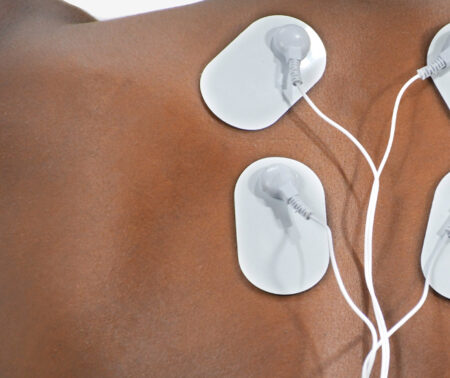
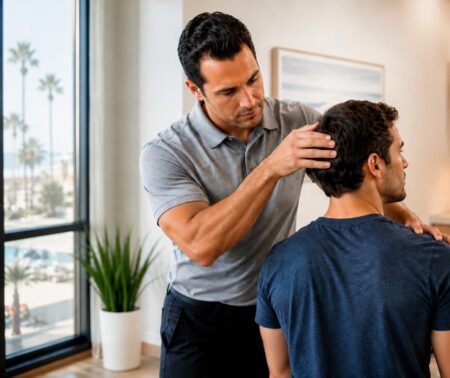
Care is tailored, not generic. Treatments may include sports chiropractic adjustments, Active Release Techniques® (ART®) for soft-tissue restrictions, postural alignment strategies, and advanced therapies such as shockwave therapy to address stubborn pain and tissue stress. The goal is not short-term relief, but sustained performance throughout demanding seasons.
Whether you’re navigating long production days, press tours, or extended shoots, proactive care keeps your body aligned with the demands of your work, so you can focus on delivering your best performance from the first screening to the final ceremony.
Award season preparation starts long before the red carpet. If you want your body to hold up under pressure, now is the time to act. Schedule an evaluation with Dr. Roy Nissim to address posture, movement limitations, and recovery needs before small issues become season-ending problems. Strategic, performance-driven care ensures your body is ready to meet the moment.