Book Appointment


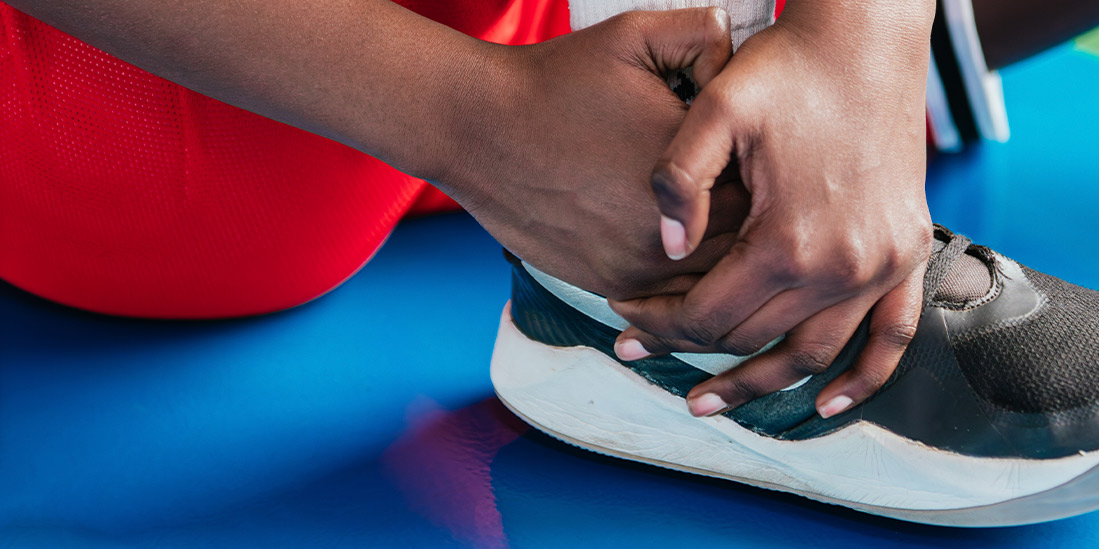
Achilles tendon ruptures have been on the rise in recent years, particularly among basketball players—from weekend warriors to elite pros. While many point to overtraining, poor recovery, or explosive movements as the primary culprits, Dr. Roy believes a hidden yet major contributor is being overlooked: the shoes themselves.
Let’s break down why Achilles injuries happen, why the standard narrative may be incomplete, and how footwear—especially basketball shoes—could be setting athletes up for injury.
What Causes an Achilles Tear?

The Achilles tendon, the thick cord connecting your calf muscles (gastrocnemius and soleus) to your heel bone, plays a critical role in explosive sports like basketball. It stores and releases energy with every jump, sprint, and sudden stop.
Achilles tears typically occur when the tendon is overloaded and over stretched beyond its capacity, especially during a sudden push-off or deceleration. The injury is often preceded by micro-tears, tightness, and poor tissue quality, all of which limit the tendon’s ability to absorb and redirect force.
The Conventional Wisdom: Overtraining and Fatigue
Most clinicians and trainers point to overtraining, inadequate rest, and repetitive stress as the driving forces behind Achilles injuries. And while these certainly play a role, they don’t tell the full story. After all, why are these injuries happening to even the most conditioned athletes with access to elite recovery tools?
That’s where footwear comes into play.
Dr. Roy’s Take: It’s Gotta be the Shoes

Modern basketball shoes are built to protect—with thick soles, aggressive heel lifts, and extra ankle support. But ironically, this protection may be weakening the very tissues it’s designed to support.
Here’s why:
- Heel lift reduces natural ankle dorsiflexion.
Basketball shoes often have a 12–15mm heel-to-toe drop, which means your heel sits much higher than your toes. This artificial lift shortens the Achilles tendon and the gastrocnemius over time, reducing their functional range of motion and adaptability. - Limited ankle mobility = increased tendon tension.
When your ankle can’t dorsiflex fully (move upward toward your shin), the Achilles gets put under higher strain during jumps and landings, especially when forced to stretch suddenly during play. - Muscle-tendon unit imbalance.
Shortened and tight calf muscles + a deconditioned tendon = the perfect storm for an Achilles rupture.
What the Research Says
A 2011 study published in the Journal of Foot and Ankle Research found that heel elevation from footwear significantly reduces Achilles tendon length and resting tension over time. Prolonged use of high-heeled shoes (yes, even athletic versions) was shown to decrease dorsiflexion range and increase the risk of tendon injuries when returning to barefoot or flat conditions.
Additionally, research published in Gait & Posture (2010) demonstrated that even modest heel lifts can decrease gastrocnemius length and ankle joint mobility, ultimately placing more force on the Achilles during dynamic motion.
Insights from Steve Sashen, Founder of Xero Shoes
Steve Sashen, a leading advocate of natural footwear and minimalist design, has long argued that modern shoes are over-engineered and underperforming. According to Sashen:
“Every millimeter of heel lift and cushioning changes how your foot interacts with the ground. You’re not letting your Achilles and calf muscles do the job they’re designed to do.”
Xero Shoes promote zero-drop footwear, meaning the heel and forefoot are on the same level—allowing for full extension and contraction of the Achilles and calf with every step.
This more natural position helps:
- Maintain full range of motion in the ankle joint
- Strengthen the Achilles through regular use, not disuse
- Prevent chronic shortening and tightness of the posterior chain
What Athletes Should Do Instead

Dr. Roy recommends athletes—and especially basketball players—rethink their footwear both on and off the court. While performance basketball shoes are necessary in-game, it’s crucial to:
- Train in zero-drop or low-drop shoes to preserve and restore full ankle mobility
- Incorporate barefoot training and calf/Achilles mobility drills
- Transition gradually if you’ve been in high-drop shoes for years
You don’t need to ditch your basketball shoes entirely—but be aware of their impact and balance them with more natural footwear when possible.
Overtraining may be part of the Achilles tear epidemic, but it’s not the whole story. The structure of your shoes—especially prolonged heel lift—could be quietly weakening your Achilles tendon over time. If you want to prevent injuries and maximize performance, it might be time to look down.
Ready to take the next step in injury prevention and performance optimization? Schedule a consultation with Dr. Roy today to evaluate your biomechanics, footwear, and tendon health from the ground up.